Charting Ybor City’s Path to World Heritage
YBOR TO THE WORLD
Heritage. Community. Legacy.
Ybor City was built by people who crossed borders and changed Tampa.
Factories, workers’ homes, social clubs, businesses, streets, and living traditions preserve the story of an extraordinary immigrant industrial community shaped by connections among Tampa, Cuba, Spain, Italy, and the wider world.
Ybor to the World is documenting that legacy and building research, partnerships, public understanding, and international connections to support Ybor City’s long-term path toward possible World Heritage recognition.
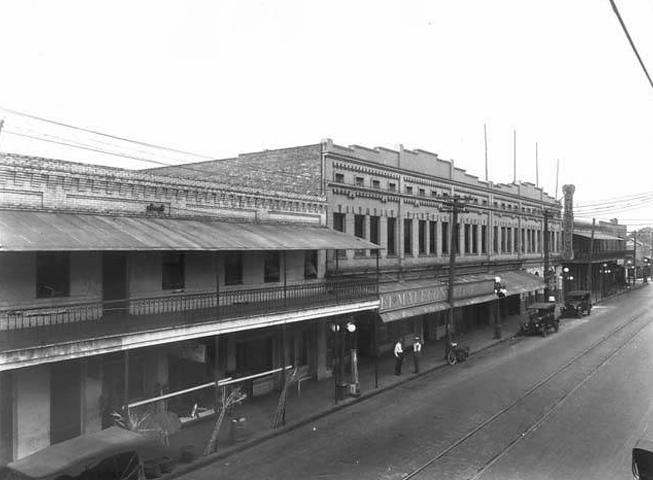
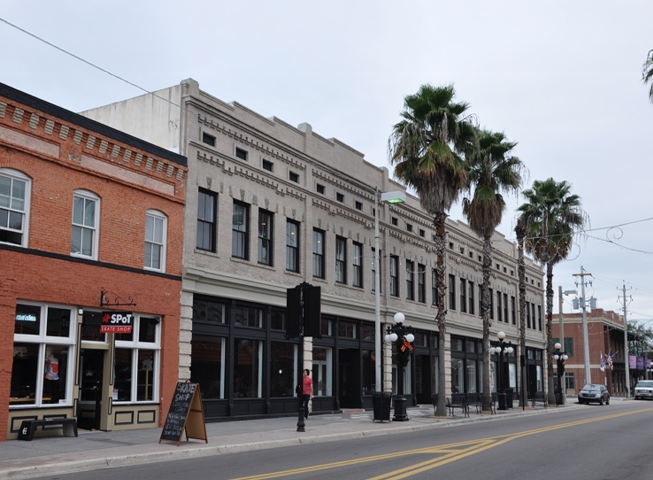
Historic black-and-white streetscape photograph of the 1300 block of 7th Ave. looking southwest, shown beside a modern color view of the same Ybor City block, emphasizing surviving historic buildings and changes in the streetscape over time. Photo (left) courtesy of Tampa-Hillsborough County Public Library System, Burgert Brothers Photo Collection. Photo (right) courtesy of Ferrell Redevelopment.
The place & its significance
Ybor City, A Nationally Significant Place with an International Story
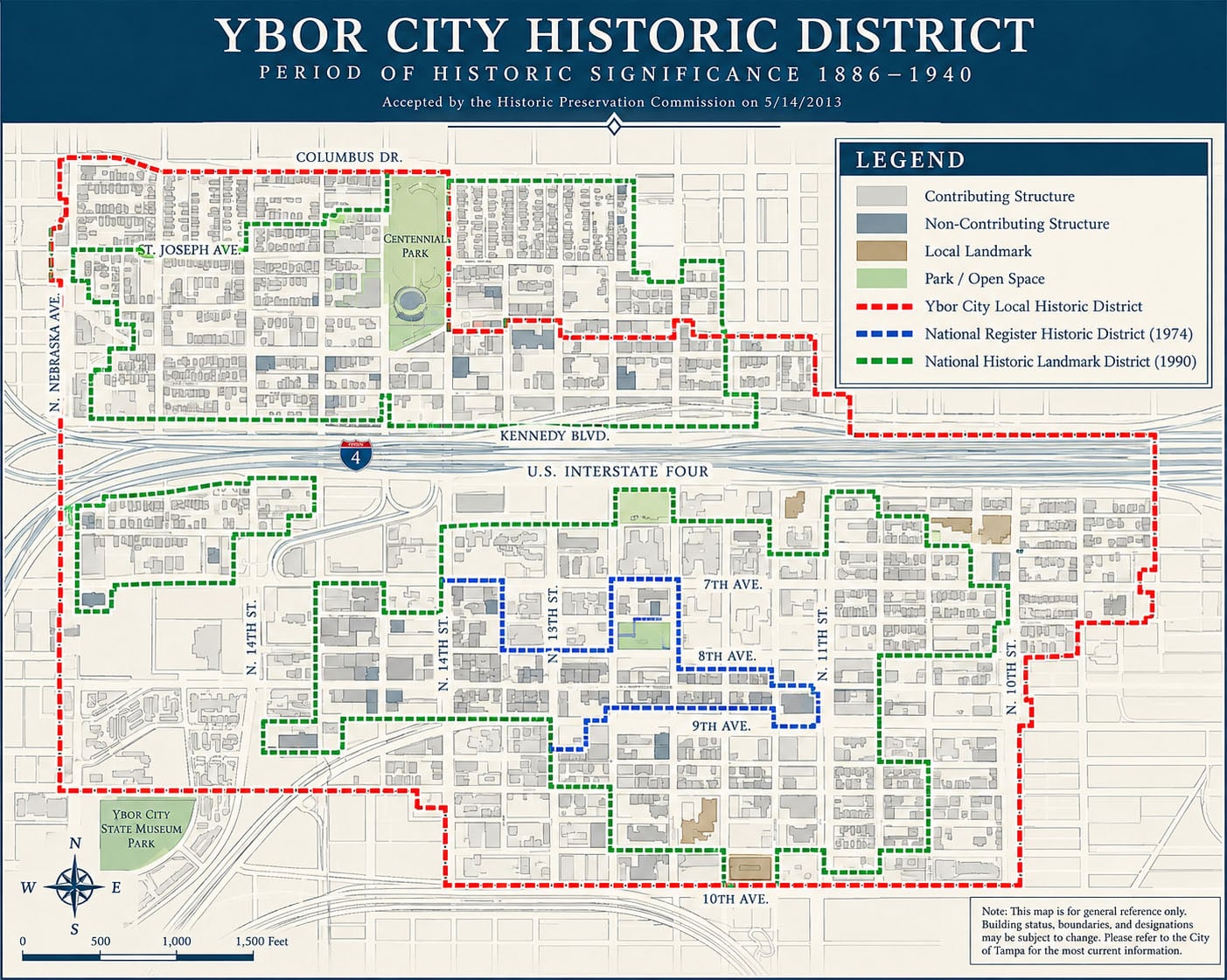
Ybor City Historic District Map – 2026. City of Tampa, Architectural Review & Historic Preservation.
Ybor City is a National Historic Landmark District, recognized for its exceptional importance to immigration, cigar manufacturing, architecture, labor, community institutions, and ethnic history.
More than 950 historic buildings and structures remain within the district. Factories, casitas, social clubs, commercial buildings, churches, schools, and civic spaces tell the story of a community whose influence reached far beyond Tampa.
But Ybor’s story has never been only local.
People, tobacco, capital, political ideas, traditions, and family networks connected Ybor with Cuba, Spain, Italy, Key West, New York, and other places across the Atlantic and Caribbean world. Understanding those relationships is an important part of understanding what makes Ybor significant.
IMMIGRATION • INDUSTRY • COMMUNITY
A story created locally and connected globally.
Explore the history
Why Ybor City Matters to the World
Ybor City tells a story that reaches far beyond Tampa. Beginning in 1886, immigrants and workers from Cuba, Spain, Italy, and other parts of the world created here one of the great centers of the international cigar industry and, with it, a remarkable multicultural community. Factories, workers' houses, commercial streets, mutual-aid societies and social clubs formed a distinctive urban landscape in which work, migration, cultural identity and community life were inseparable.
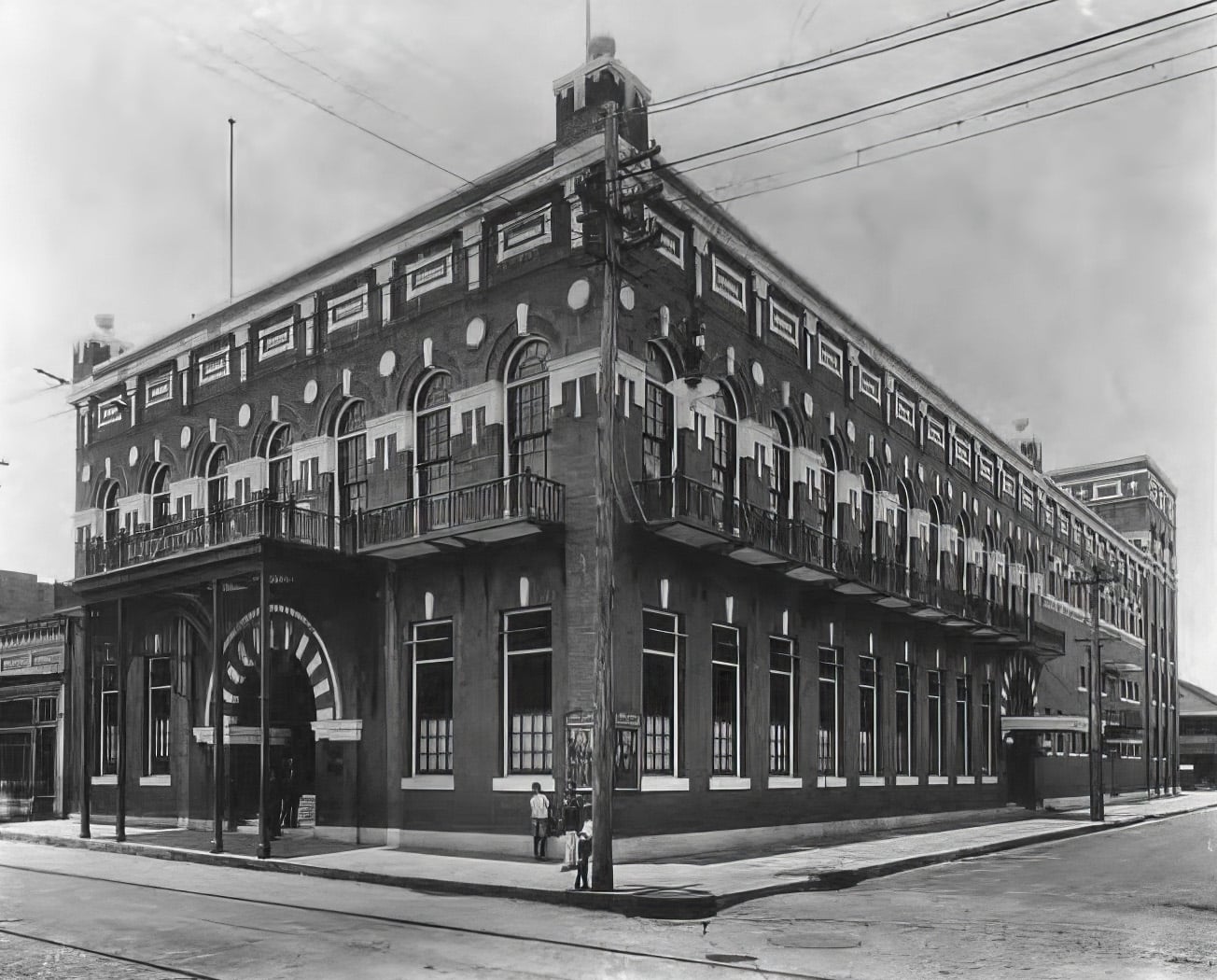
Centro Español Club, 1536 7th Avenue E, front and side facades of multi-story brick building with decorative (stone) and brickwork: Tampa, FL. 1914. Courtesy, Tampa-Hillsborough County Public Library System, Burgert Brothers Photo Collection.
Click the plus symbol to open each section.
Industry, Labor & the Cigar City
Ybor City emerged in the late nineteenth century as one of the most important centers of hand-rolled cigar production in the United States. Its growth transformed Tampa and created a distinctive urban community shaped by international migration, skilled labor, industrial enterprise, and cultural exchange.
Cigar manufacturing was the economic engine of Ybor City, but its significance extended far beyond the factory walls. The industry brought together workers, entrepreneurs, political activists, merchants, mutual-aid organizations, families, and communities whose lives were connected across Cuba, Spain, Italy, the Caribbean, and the United States.
The result was not simply an industrial district. It was a cultural landscape built around work.
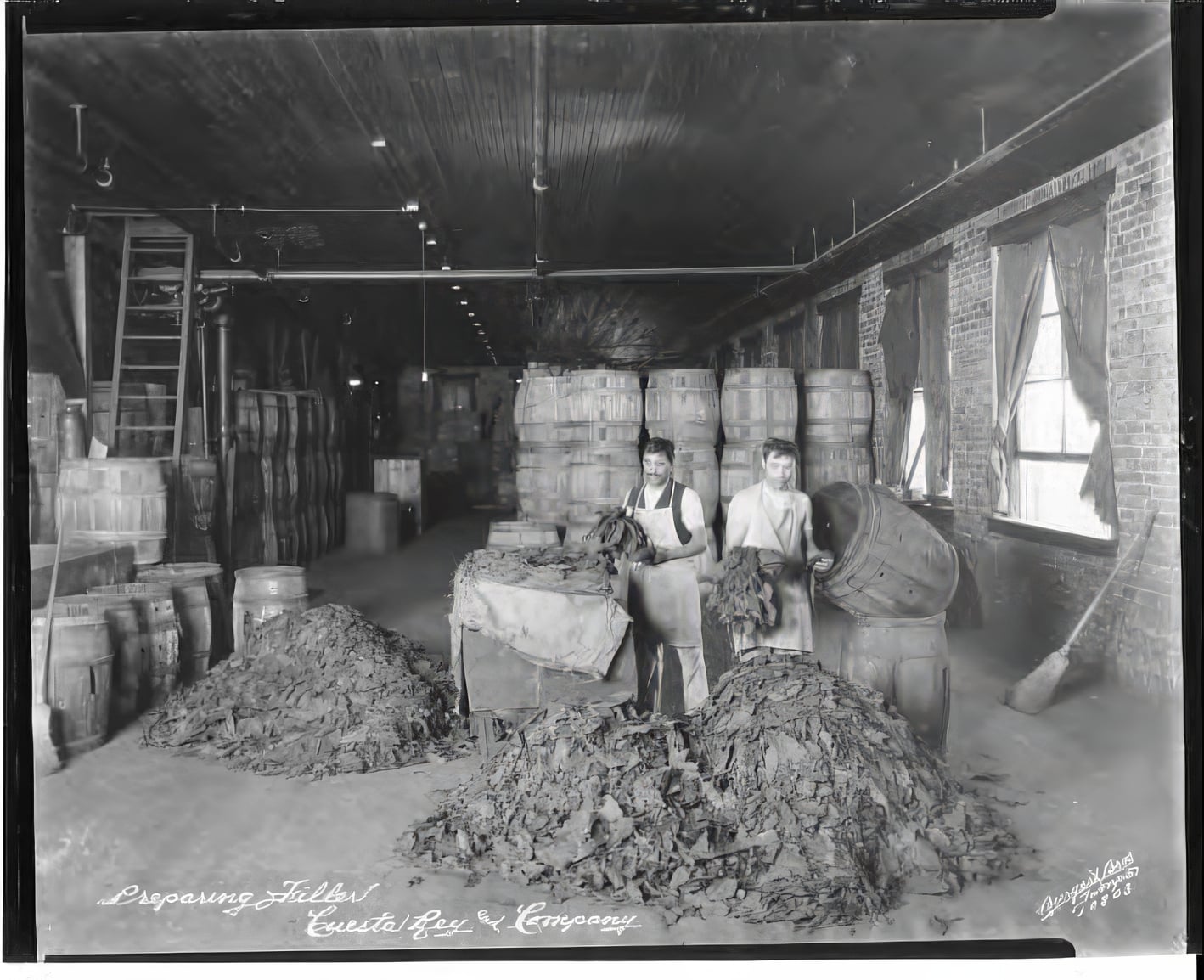
Cigar workers preparing tobacco for cigars at Cuesta Rey & Company: Tampa, FL. 1924. Courtesy, Tampa-Hillsborough County Public Library System, Burgert Brothers Phhotography Collection.
Explore the Story: Cigar City · WEDU PBS · 2022 | 5:15
Watch: Cigar City | Greater Ybor City
Cigar production shaped Ybor City’s economy, architecture, workforce, and cultural identity. This PBS story introduces the industry that gave Ybor its international reputation and explores how cigar making remains part of the district’s living heritage today.
A Global Industry in a Local Place
Ybor City’s cigar industry was part of an international network. Tobacco, capital, labor, knowledge, and commercial relationships moved across national boundaries. Cuban cigar-making traditions and skilled workers became central to the industry's development in Tampa, while Spanish, Italian, Afro-Cuban, and other immigrant communities contributed to the district's social and economic life.
Ybor therefore provides a powerful example of how global migration and industrial production could shape the physical form and cultural identity of an American city.
The factories themselves, many restored and/or repurposed, remain among the most visible expressions of this history. Their large brick forms, repetitive windows, open work floors, loading areas, and relationship to surrounding streets and worker neighborhoods reflect an industrial system designed around the production of hand-made cigars.
Ybor City was also a place where ideas crossed borders. Cigar workers listened to lectores read literature, newspapers, and political writings on the factory floor; José Martí came here seeking support for Cuban independence; and immigrant communities created institutions that provided health care, education, social services, and cultural continuity.
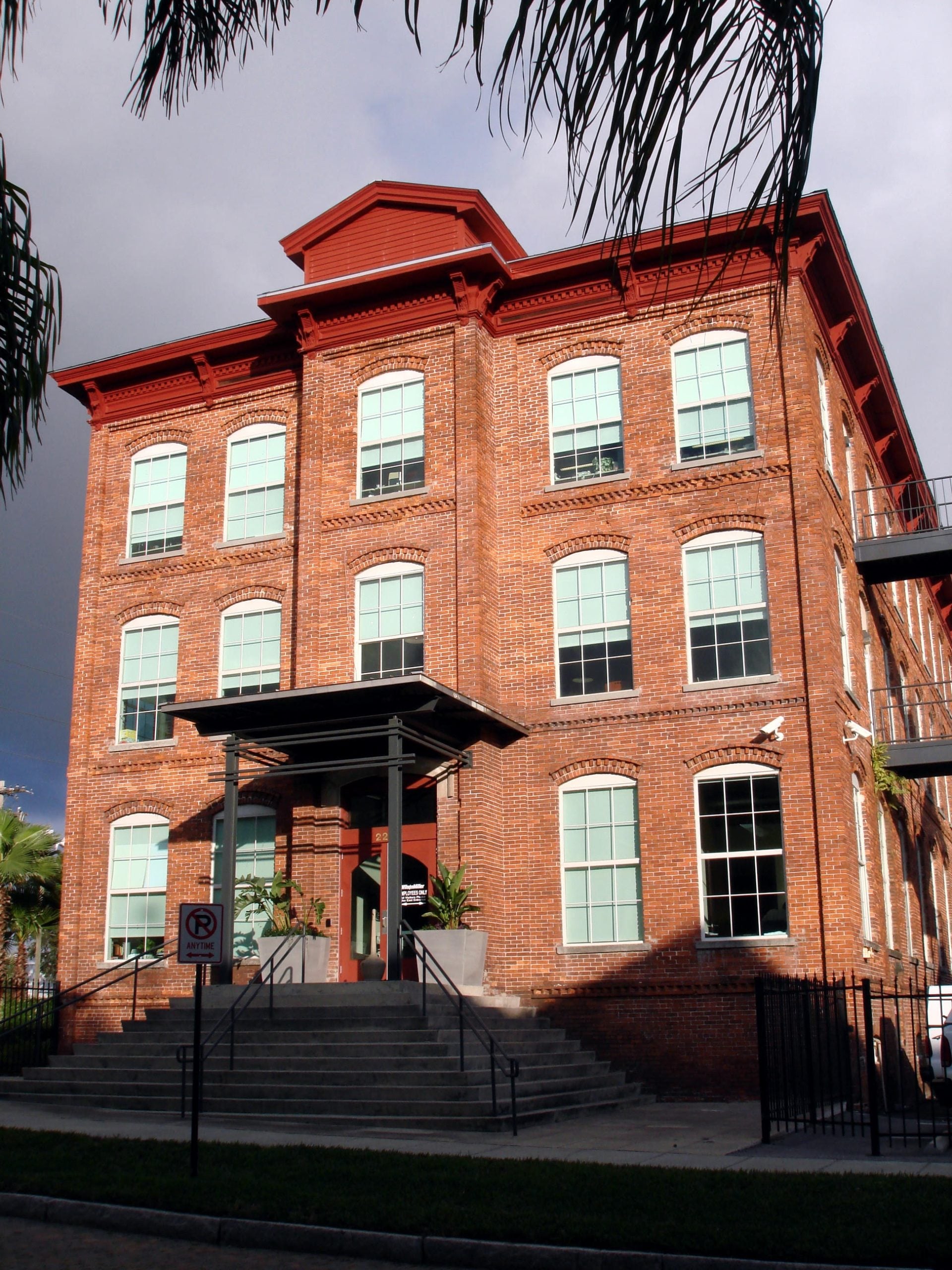
The Stantec Building in Ybor City, originally built in 1895 as the historic J. Seidenberg & Co. cigar factory. Image courtesy Ferrell Redevelopment.
Skilled Labor and the Culture of the Factory
Cigar production depended on specialized knowledge and highly skilled manual labor.
Workers selected, prepared, rolled, finished, sorted, and packed cigars through a sequence of specialized tasks. Skill was acquired through experience and tradition, and the quality of the finished product depended heavily on individual workers' knowledge.
This labor system helped create a strong occupational culture and a workforce that was deeply conscious of its skills, working conditions, and place within a broader international community.
The cigar factory was therefore more than a place of production. It was also a social and intellectual space.
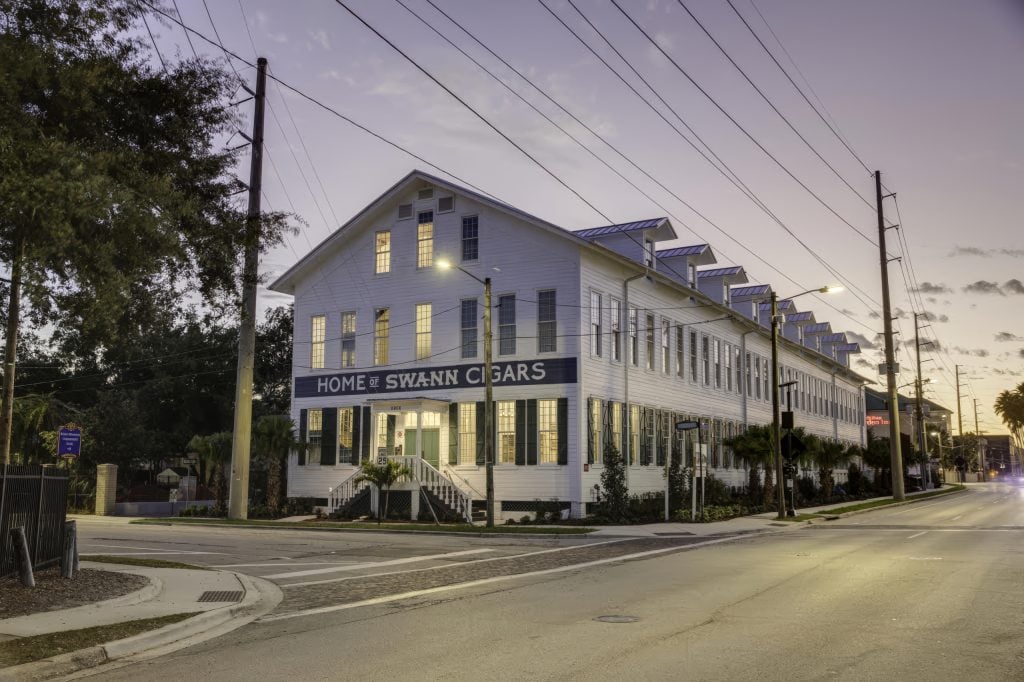
Oliva Cigar Factory, originally a wooden factory constructed in the late 1800s, today restored and repurposed, retaining much of its hardwood floors and ceiling beams. The site is on the southwest corner of Palm Avenue and 19th Street in Ybor City. Courtesy Ferrell Redevelopment.
The Lectores: Ideas on the Factory Floor
One of Ybor City’s most distinctive traditions was the lector.
Paid by the workers, lectores read newspapers, novels, political writings, and other literature aloud while cigar makers worked. Through the lector tradition, the factory floor became a place where workers encountered international news, literature, political debate, and contemporary ideas.
This practice connected Ybor’s workers to a much larger intellectual world and reinforced the district’s extraordinary relationship between labor, literacy, politics, and cultural identity.
Today, much of that historic landscape survives within the Ybor City National Historic Landmark District. The goal of Ybor to the World is to explore and document whether this extraordinary combination of industrial heritage, migration, architecture, cultural exchange, and living tradition can demonstrate the Outstanding Universal Value required for future nomination to the UNESCO World Heritage List.
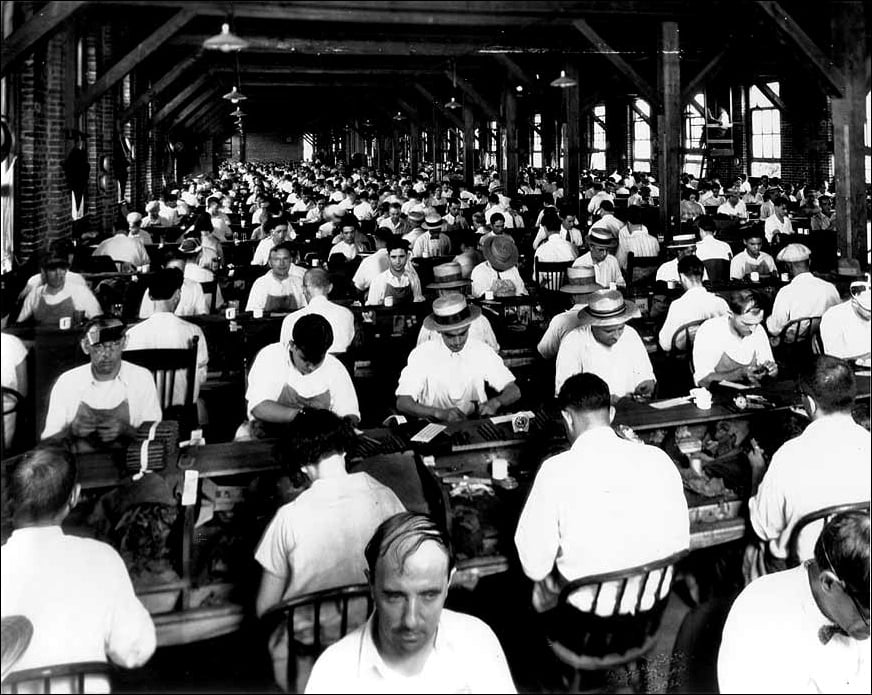
Lector on a raised platform reading to cigar workers at Corral Wodiska factory: Tampa, FL. 1929. Courtesy, Tampa-Hillsborough County Public Library System, Burgert Brothers Photography Collection.
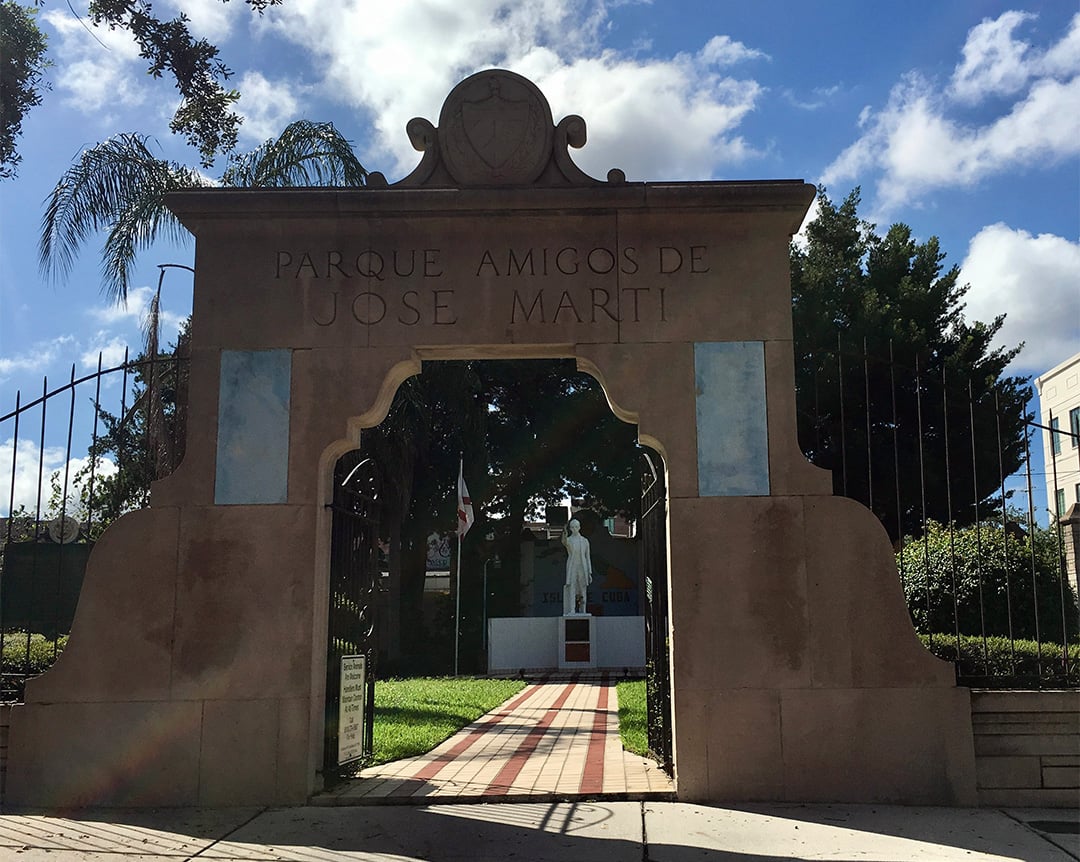
Jose Marti Park in Ybor City. Courtesy Ferrell Redevelopment.
Living Ybor: Heritage in Everyday Life
Ybor City’s significance is expressed not only through its cigar factories, social clubs, streets, and historic architecture, but also through traditions, stories, and distinctive elements of community life that have endured across generations.
Even some of the neighborhood’s most familiar features have roots in its immigrant history. Ybor’s free-ranging chickens are believed to have been brought to the district by families who came to the community during its early development. Today, they have become an unmistakable part of Ybor’s identity and are recognized by residents, businesses, artists, visitors, and community organizations.
This WEDU PBS story illustrates how seemingly ordinary elements of a historic neighborhood can become part of its living cultural identity, connecting Ybor’s immigrant past with contemporary community life, cultural tourism, and a continuing sense of place.
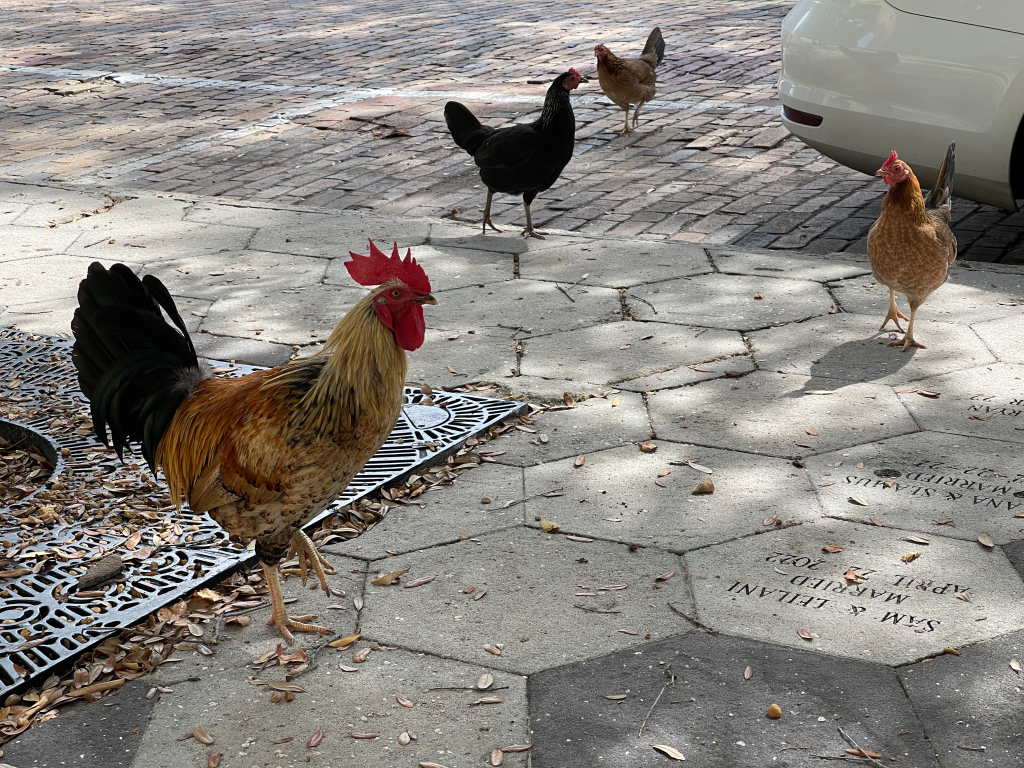
Free-roaming chickens near the Ybor City State Museum. Courtesy Lori Collins.
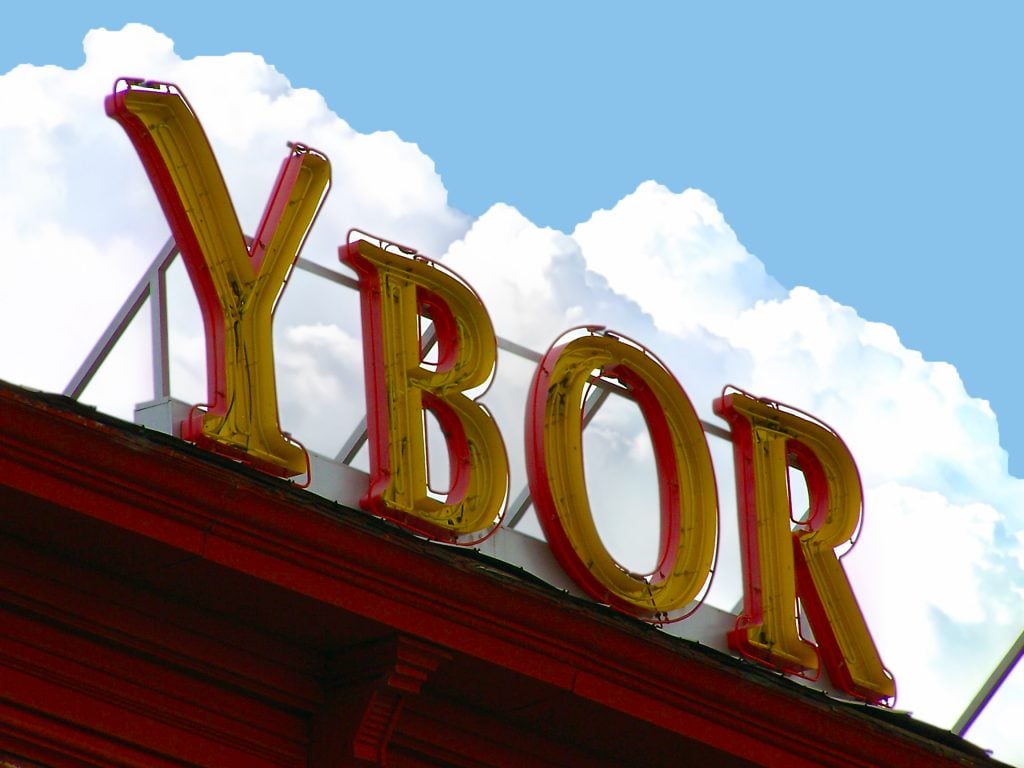
Sign atop the Stantec Building, originally built in 1895 as the historic J. Seidenberg & Co. cigar factory. Courtesy Ferrell Redevelopment.
WEDU PBS · 2022 | 5:05
Watch: Home of the Chicken | Greater Ybor City
The episode explores the historical roots of Ybor’s chickens and their continuing role in neighborhood identity, community engagement, tourism, and local culture.
The World Heritage aspiration
Building the Case for Ybor’s Future
World Heritage begins long before a nomination.
Ybor City is not currently a World Heritage Site and is not yet on the U.S. World Heritage Tentative List.
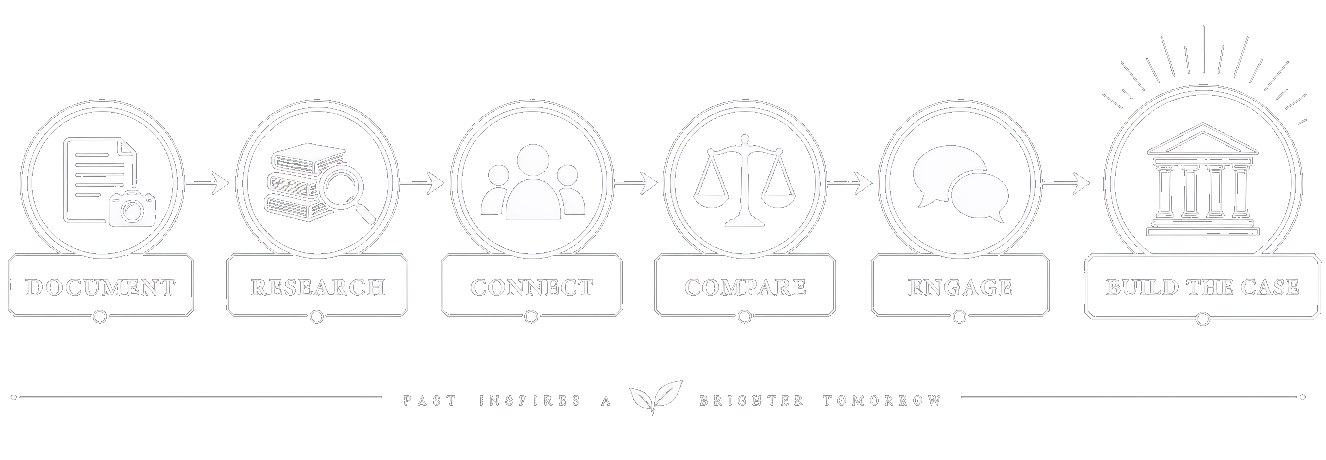
Ybor to the World is an early step in a much longer process: documenting Ybor’s significance, strengthening preservation and stewardship, expanding research, building local and international partnerships, engaging the community, and exploring how Ybor compares with related places around the world.
The goal is to develop the knowledge and relationships necessary to determine whether Ybor City can someday make a compelling case for World Heritage consideration.
International relationships
Ybor's Global Connections
From Ybor to the World
The people who created Ybor brought with them languages, traditions, skills, institutions, ideas, and connections that crossed national borders. Today, those historic relationships offer new opportunities for research, cultural exchange, education, and international collaboration.
Sister Cities
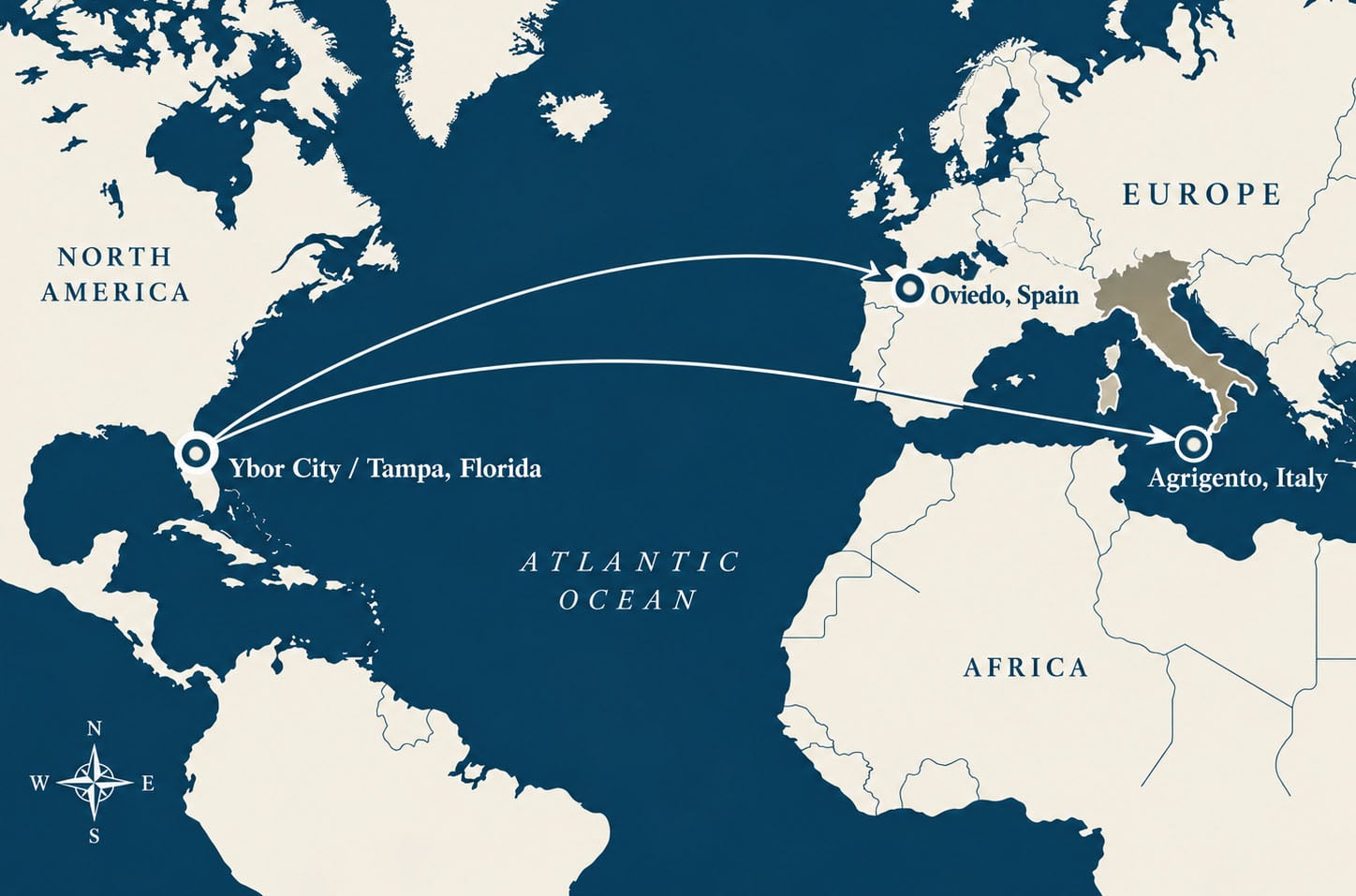
Tampa already has formal Sister City relationships with Oviedo, Spain, and Agrigento, Italy; these two connections are particularly relevant to Ybor’s Spanish and Italian heritage. Tampa's official Sister Cities program is intended to foster international friendship, cultural exchange, education, and cooperation.
Ybor to the World seeks to build on these relationships and Ybor's deep historical connections with Cuba and other communities, and will continue project development to identify archives, scholars, cultural organizations, descendant communities, historic records, and new opportunities for collaboration.
|
|
Tampa's International Sister City Connections |
The project’s purpose
Tampa's Ybor: A Platform for Building the Case
Ybor to the World is a platform for exploring, documenting, and sharing Ybor City's international significance.
Its purpose is not simply to collect history, but to use that history to build a compelling and well-supported case for why Ybor City matters to the world.
Through research, interpretation, community participation, comparative study, international collaboration, and preservation advocacy, the project seeks to identify and communicate the values that make Ybor exceptional and to lay the groundwork for its long-term aspiration for World Heritage recognition.
The website makes that process visible. It brings together the evidence, people, places, and global connections that can help move Ybor from a place of recognized national importance toward consideration within an international heritage context.
Ybor to the World is intended to help create the foundation for future World Heritage consideration.
That means building the research, partnerships, public understanding, preservation commitment, and international context necessary for the long process that could ultimately lead toward formal nomination and possible inscription on the World Heritage List. The project does not assume that outcome. It seeks to do the work necessary to demonstrate why Ybor City deserves serious consideration.
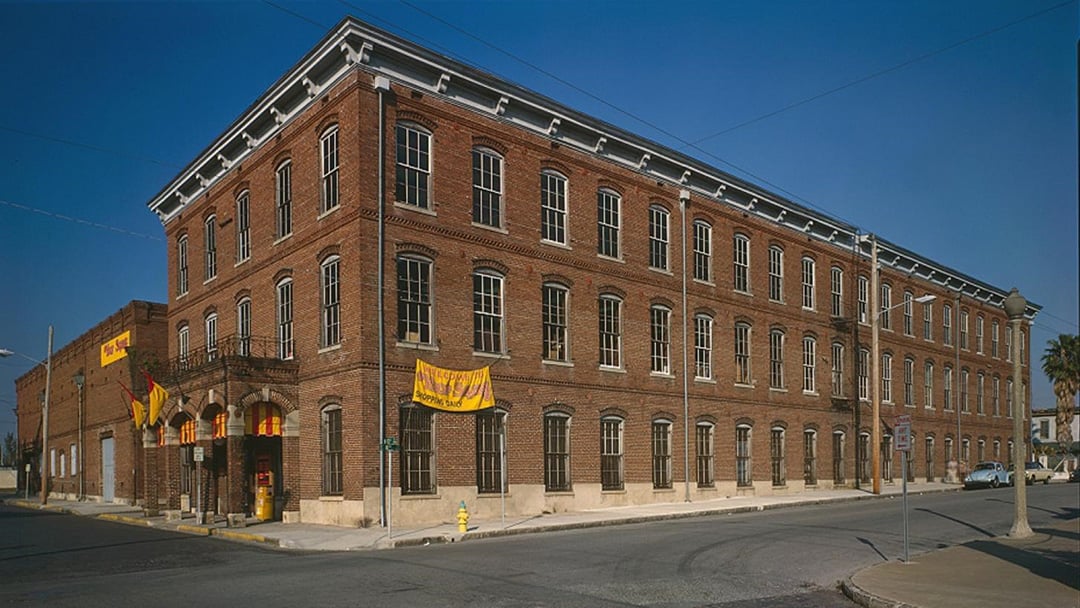
West front and south side, from southwest showing 1916 North Fourteenth Street, Ybor City. The former Vicente Martínez Ybor Cigar Factory, constructed in 1886, was Tampa’s first brick cigar factory and the industrial nucleus around which Ybor City developed. The building is listed in the National Register of Historic Places. Courtesy Ferrell Redevelopment.
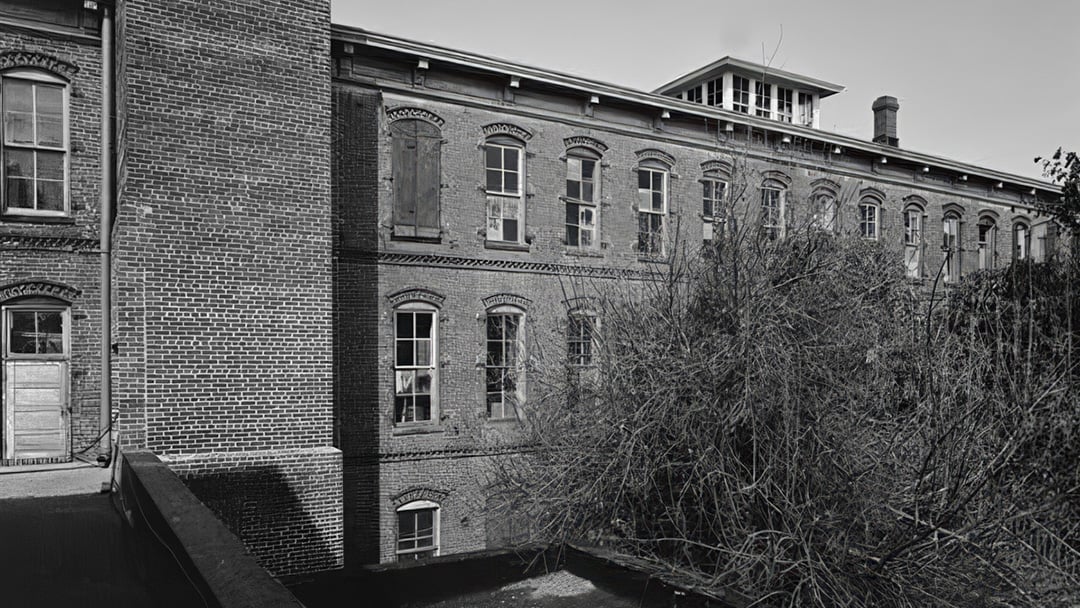
Historic American Buildings Survey documentation of the Vicente Martínez Ybor Cigar Factory, showing the south facade. The complex became the industrial heart of Ybor City and an important gathering place for supporters of Cuban independence; José Martí addressed workers here while building support for the movement. HABS FL-270.
Community Participation
Help Us Build the Story
A global story requires many partners.
Ybor to the World seeks to use heritage as a catalyst for the future, supporting cultural tourism and local economic activity, strengthening community identity and preservation advocacy, and creating new opportunities for collaboration locally, nationally, and internationally. By documenting and sharing Ybor City’s important history of migration, industry, cultural exchange, and community life, the project aspires to connect Ybor’s past with new audiences and partnerships, while building the foundation for its long-term recognition on the world stage.
Do you have research, photographs, documents, family histories, institutional connections, or ideas that can help us better understand Ybor's place in the world?
Privacy Notice: Any information or materials you provide will be used exclusively by our team to review your submission and communicate with you regarding your message. We strictly promise never to sell, trade, or distribute your personal data.
This Project Is Growing
Ybor to the World is a work in progress.
This initial project page provides a starting point for sharing our work and building connections. Over the coming months, the site will grow to include expanded historical content, archival resources, Then & Now photography, links to resources and materials such as oral histories, World Heritage research, opportunities for community participation, and additional ways to explore Ybor's international story.